Loading...
Paro
Paro Town
ConnectionJoyCalm
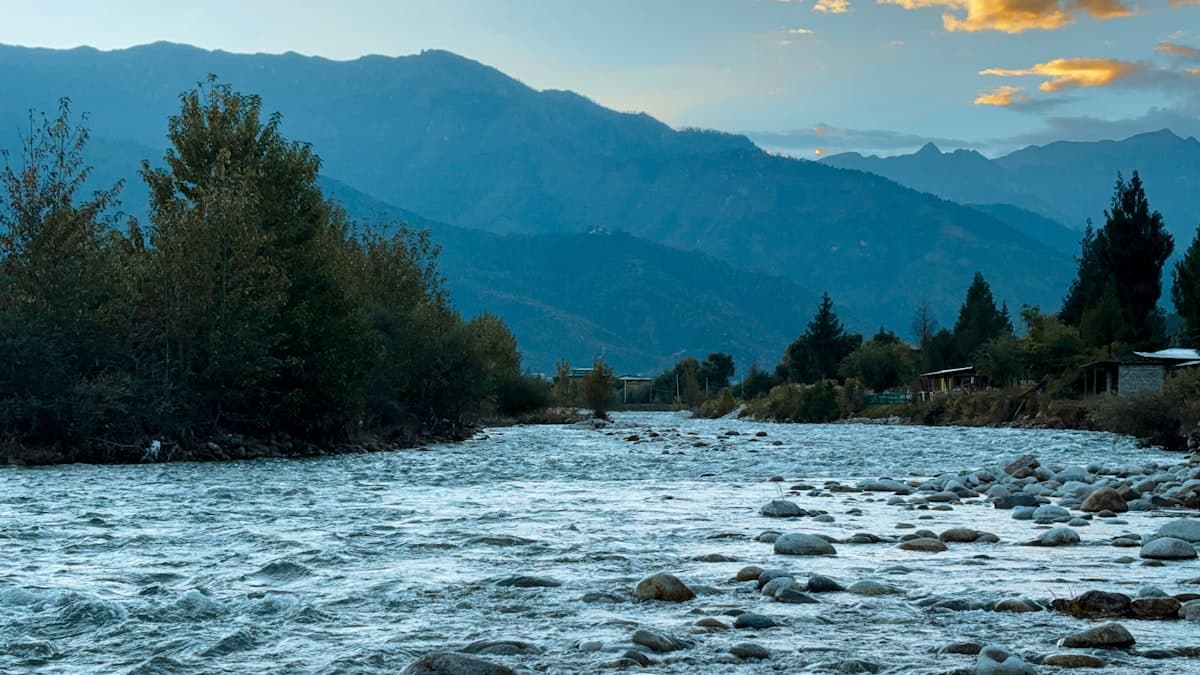
You arrive in Paro and the first thing you notice is the scale. Everything is small. The main street is two blocks of traditional buildings with painted wooden facades and sloping roofs. The river runs alongside the town, wide and shallow and cold, and the sound of it follows you everywhere.
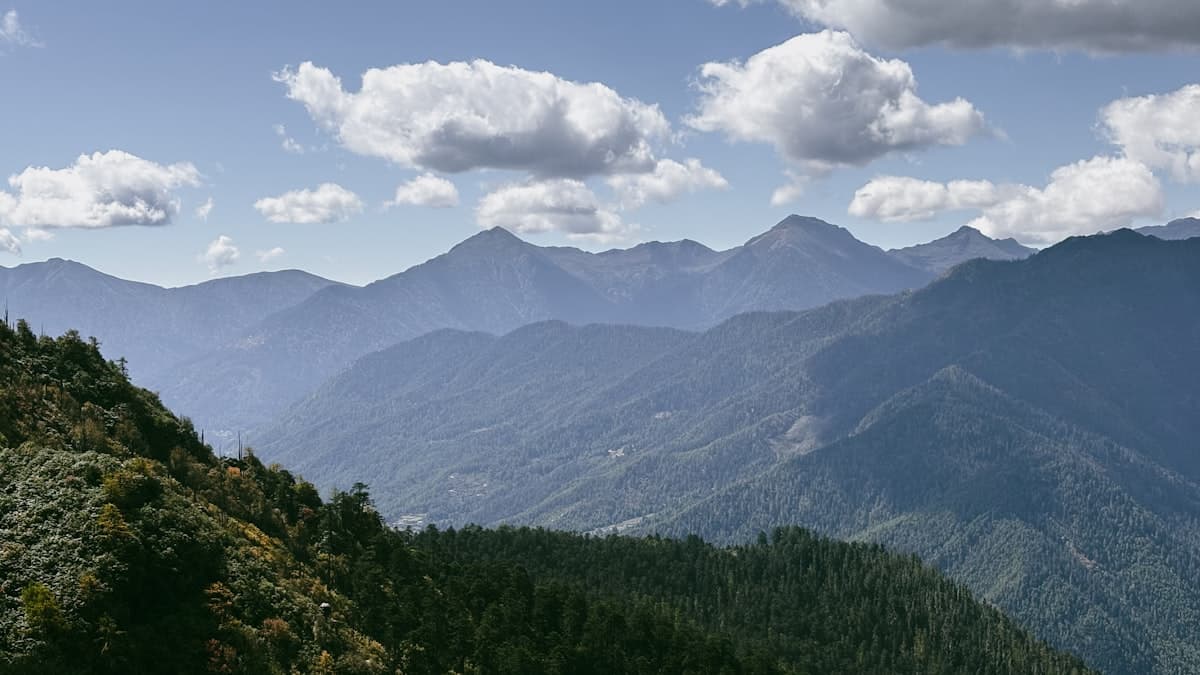
This is not a capital. It is not trying to be anything. Paro is the town where you land — the airport is ten minutes away, the runway one of the most dramatic in the world — and it is the town you keep returning to between adventures. Tiger's Nest is up the valley. Chelela Pass is over the ridge. The dzong is across the river. But Paro itself is the resting place.
There are cafes here where you can sit for an hour with butter tea and a book and nobody will ask you to leave. There are bookshops where the shelves hold Buddhist philosophy beside Bhutanese novels beside children's books in Dzongkha. There are restaurants where ema datshi arrives in a stone bowl and the chillies are so hot that tears are a reasonable response. There are shops selling handwoven textiles that took someone six months to make.
In the evening, walk along the river. The light turns the water gold and the mountains pink and the air is cold and clean and carries the faint sound of monastery bells from somewhere you cannot see. This is what Paro gives you. Not spectacle. Not adventure. The ordinary life of a small Himalayan town, offered without performance.
Sensory Profile
Noise Level
Crowd Level
Brightnessnatural daylight, soft evening light along the river
Temperaturecool (Paro sits at 2,200m; cold mornings and evenings, mild midday)
SmellsRiver water, wood smoke, cooking — chilli and cheese and rice. Incense from shops. Pine from the surrounding hills.
Unexpected SoundsDogs (Paro has many friendly stray dogs). River sound constant. Occasionally, aircraft landing at the nearby airport — loud but brief. Temple bells at odd hours.
Walking Difficultyeasy
Social ExpectationsCasual and warm. Shopkeepers greet you. Restaurant staff are unhurried. No dress code outside monasteries. Bhutanese social culture is gentle — no hard sell, no pressure.
Quiet SpacesYes
Best Time (Low Stimulation)Early morning before shops open. Evening along the river after 5pm. Paro is never overwhelming — even midday is calm by most town standards.
Sensory data informed by clinical neurodevelopmental expertise.

Mindfulness Activity
The Town That Does Not Hurry
Four prompts for an unhurried afternoon in Bhutan's gentlest town, where the river follows you everywhere.
Grounding and sensory. A way in.
- 1
The Main Street
Two blocks of traditional painted facades, sloping roofs, and a pace that refuses to accelerate.
Walking the main street from one end to the other. Do not go into any shop yet.
You are not shopping. You are reading a town. Notice the colours of the building facades — how many different colours can you count? What is displayed in the windows? Who is sitting outside? What expression is on their face?
- 2
The Cafe
Butter tea, a window, and the instruction to simply watch.
Sitting in a cafe with a drink. Put your phone away for ten minutes.
Watch the street through the window. Count who passes in five minutes: monks, schoolchildren, shopkeepers, dogs, tourists, farmers. Each one has come from somewhere and is going somewhere. You do not need to know where. Which person caught your eye most?
- 3
The River
The Paro Chhu runs wide and shallow alongside the town. Its sound follows you everywhere, but here you stop and listen.
At the river. Find a place to sit — a bench, a wall, a flat rock.
Listen to the water for three minutes without thinking about anything else. What does it sound like? A rush, a hum, a conversation? Find the pitch. Find the rhythm. Is there a rhythm, or is it constant? Notice how the sound changes your breathing.
- 4
The Purchase
One small, unplanned thing. Not a souvenir. Something your hand reached for before your mind could explain why.
Before you leave the town. Buy one small thing you did not plan to buy.
Walk into a shop and let your eye find something before your mind does. A bar of soap, a woven bookmark, a postcard, a packet of tea. What caught your attention? Pick it up. Feel its weight, its texture. What drew you to this object?
For Curious Minds
Paro is a gift for an ADHD mind that has been running hard. It is small enough to explore without a plan, interesting enough to hold attention without demanding it, and forgiving enough that you can sit in one place for an hour or wander for three and both feel complete. There are no must-see landmarks. There is just a small town doing what small towns do, and the freedom to be part of it.
- •Cafe Crawl: Paro has several cafes within walking distance of each other. Try three in one afternoon. Order something different in each. Rate them. The best one wins your evening visit. This is not a waste of time — it is research.
- •Bookshop Deep Dive: Find a bookshop and spend twenty minutes browsing. Buy a book about Bhutan — history, folk tales, philosophy, whatever catches your eye. You will read the first chapter in a cafe and it will change how you see everything else on the trip.
- •River Walk with Purpose: Walk along the river and count the bridges. Each one has a different design. Which is your favourite? Why? Take a photograph of each one. By the end you will have a small collection of Paro bridges, which is a thing nobody else has ever collected.
- •Architecture Treasure Hunt: The traditional Bhutanese buildings in Paro are painted with specific symbols and colours. Find a dragon. Find a phallus symbol. Find a lotus. Find a cloud motif. Each has a meaning. Ask a shopkeeper or your guide to explain them.
- •Evening Gold Hour: At sunset, stand on the bridge nearest the dzong. Watch the light change on the water, the mountains, and the fortress simultaneously. This takes five minutes and costs nothing and is one of the most beautiful moments available in Bhutan.
Regulation Suggestion
If you feel understimulated in Paro, walk faster. The town is small enough that a brisk walk end to end takes ten minutes, and the river path adds distance and natural beauty. If you feel overstimulated — which is unlikely but possible after a big travel day — find the quietest cafe, sit by the window, and let the town move around you. Paro does not require your participation.