Loading...
Wangdue Phodrang
Phobjikha Valley
CalmFreedomReflectionHopeSolitude
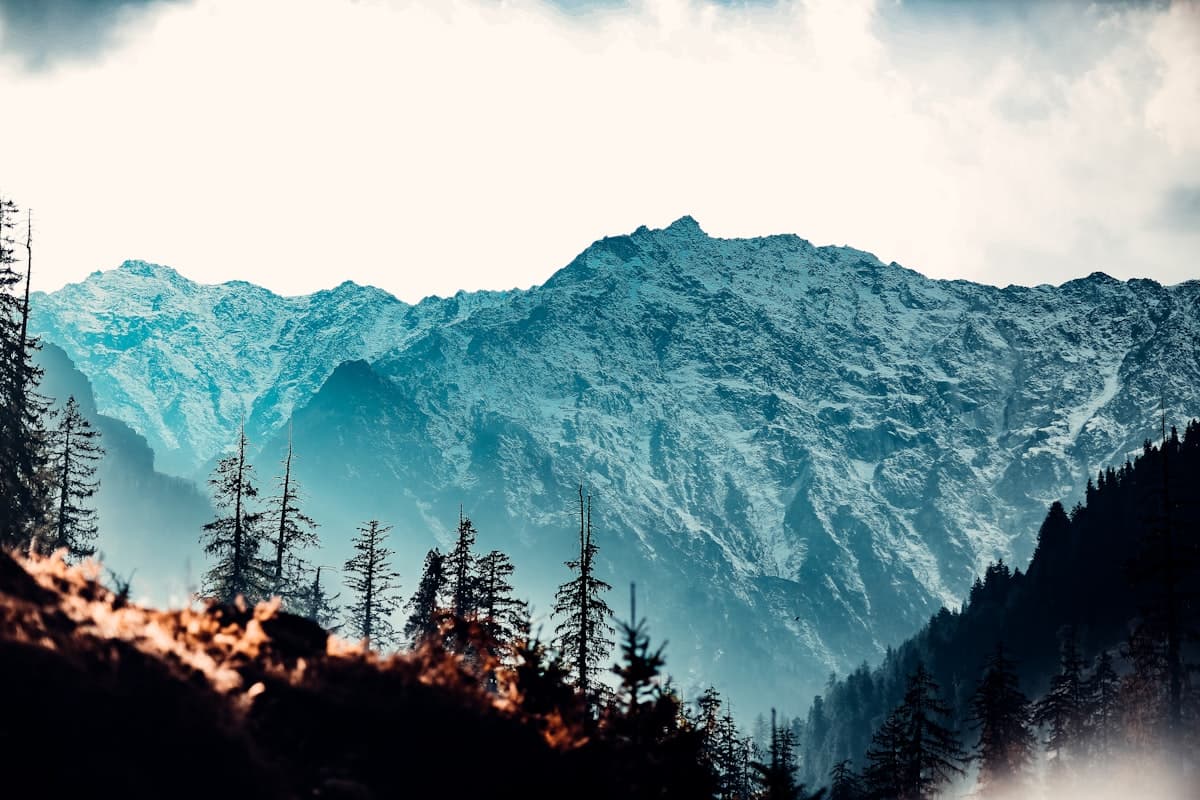
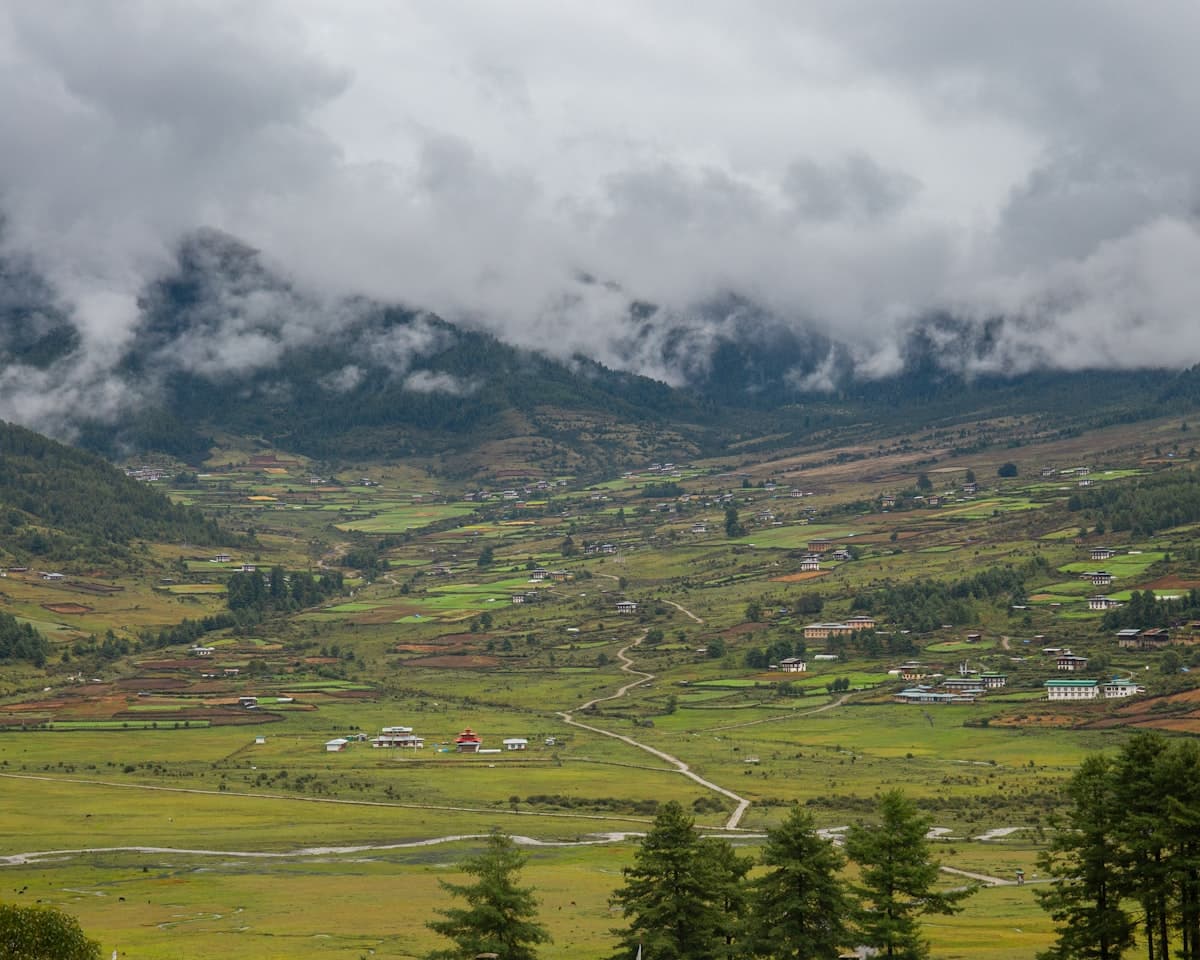
You come around a bend in the road and the world opens. After hours of mountain passes and forest switchbacks, Phobjikha Valley spreads before you like a held breath — wide, flat, impossibly green, cradled by the Black Mountains on every side.
The first thing you notice is the quiet. Not silence — the wind is constant, and prayer flags snap softly on the ridgelines. But the valley absorbs sound the way a deep room absorbs echo. There are no sharp edges here. No car horns, no construction, no competing noise. The electricity runs underground so that the cranes are not disturbed by power lines. Even the infrastructure has been designed around quiet.
In winter, the black-necked cranes arrive. They fly from the Tibetan Plateau in late October, circling Gangtey Monastery three times before landing in the wetlands below — a ritual that the Bhutanese say is the birds paying reverence to the three sacred jewels of Buddhism. You can watch them at dawn from the RSPN observation hide: tall, angular, black-headed birds stepping through the frost with a grace that makes you forget to breathe.
But even without the cranes, Phobjikha teaches something. It teaches you what it feels like when nothing is competing for your attention. The sky is enormous here. The walking trails are gentle. The villages are small and unhurried. The monastery sits on a forested hill looking out over everything, as if keeping watch.
People who come here burnt out often say the same thing afterwards: "It was the first time my mind had ever been quiet." They do not mean the valley was silent. They mean something inside them finally stopped.
Sensory Profile
Noise Level
Crowd Level
Brightnessbright, wide-angle light; variable with weather
Temperaturecold year-round (altitude 3,000m). Very cold in winter.
SmellsGrass, earth, cold air, wood smoke from farmhouses, occasional incense from monastery
Unexpected SoundsCrane calls (winter only — a haunting, echoing sound). Monastery bells at prayer times. Dogs barking in villages. Wind through grass.
Walking Difficultyeasy
Social ExpectationsMinimal. Villages are welcoming but quiet. Monastery etiquette: remove shoes, clockwise circumambulation.
Quiet SpacesYes
Best Time (Low Stimulation)Always. This is one of Bhutan's lowest-stimulation environments. Dawn for cranes. Late afternoon for golden light on the valley.
Sensory data informed by clinical neurodevelopmental expertise.


Mindfulness Activity
The Valley of Listening
A vast glacial valley wrapped in silence and wind, where the world finally stops competing for your attention.
Grounding and sensory. A way in.
- 1
The Viewpoint
The first glimpse of the valley from above — wide, green, impossibly quiet, held between mountains like something the landscape is protecting.
On arrival, at any overlook where the full valley is visible
Do not photograph it yet. Simply look. Let your eyes travel from the nearest prayer flag to the furthest mountain ridge. Notice the scale. Notice what the scale does to your breathing.
- 2
The Valley Walk
Walking the valley floor where the grass is soft and the silence is not empty but full of wind, water, and birdsong.
While walking any trail across the valley floor
For three minutes, notice only sounds. For three minutes, notice only what is moving. For three minutes, notice only smells. Let each sense have its own turn.
- 3
The Sitting Place
A stone wall, a fallen log, a patch of grass. Somewhere the valley chose for you to stop.
Wherever you choose to sit — a bench, a wall, the grass
Feel the ground holding you. Feel the wind touching your face. You do not need to do anything else. Being held and being touched by the world is enough for this moment.
- 4
The Cranes
In winter, black-necked cranes move through the wetlands. In other seasons, the space where they will be is just as powerful.
At the RSPN observation hide, watching black-necked cranes (winter) or imagining them (other seasons)
Watch one crane — or one bird, any bird — for a full minute without looking away. Notice how it moves. Notice its patience. Notice the rhythm between stillness and motion.
For Curious Minds
Phobjikha is extraordinary for ADHD minds not because it forces stillness, but because it offers the specific kind of calm that comes from gentle, continuous movement in a beautiful, low-demand environment.
- •Crane Chase (winter): Follow the cranes. Don't just observe from the hide — walk the valley paths and track where groups are feeding. Map their locations. How many groups can you find? What are they eating? How close can you get without disturbing them?
- •Wind Photography: Photograph five different kinds of movement in the landscape: prayer flags, grass, clouds, smoke from a farmhouse, water in a stream. The challenge is capturing movement in a still image.
- •Gangtey Nature Trail: The 4km trail from Gangtey Monastery down through the valley to Khewang Lhakhang is a perfect ADHD walk: varied terrain, changing views, small temples along the way, and enough novelty to sustain attention without overwhelming it.
- •Personal Calm Map: Walk until you find the place in the valley that feels most peaceful to you. Mark it. Name it. This is your place.
- •Five Things That Move: Stand still for 2 minutes and count everything that moves within your field of vision. The number will surprise you — even in stillness, Phobjikha is alive with subtle motion.
Regulation Suggestion
If you feel restless in the valley's quiet, increase your walking pace. The flat terrain makes this easy. Walk briskly for 10 minutes, then stop suddenly. The contrast between movement and stillness is more powerful than either alone.
What people felt here
“Three years later I still think about the silence in Phobjikha. I think it was the first time my mind had ever been quiet.”
🕐 Written From Memory
CalmReflection
“The cranes arrived the morning we did. We watched them circle the monastery. Nobody spoke.”
📍 Written Here
AweSpirituality
“I walked for an hour and sat in a field and did nothing. It was the best hour of the trip.”
📍 Written Here
CalmFreedom
“My daughter found a feather and carried it for three days. She called it her crane present.”
🕐 Written From Memory
JoyConnection
“The valley is so quiet you can hear your own heartbeat. I had forgotten what that sounded like.”
📍 Written Here
SolitudeCalm