Loading...
Bumthang
Bumthang Valley
MysterySpiritualityReflectionSolitude
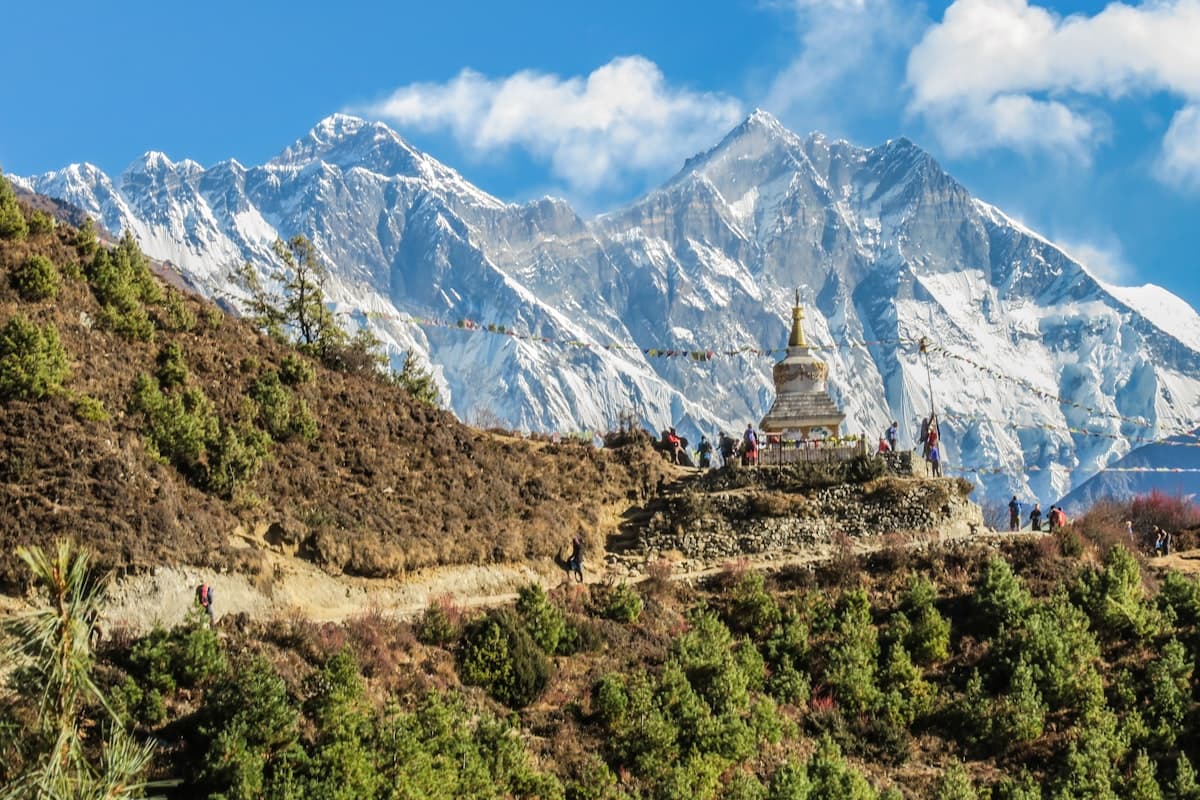
Bumthang is where Bhutan stops being a travel destination and becomes something older. The four valleys of Bumthang district — Chokhor, Tang, Ura, and Chumey — hold some of the most ancient temples in the country, and the air here feels different. Thicker with story. Quieter with age.
This is where Guru Rinpoche converted Bhutan to Buddhism in the 8th century. The temples here are not grand — they are small, dark, smoky with centuries of butter lamp residue, and dense with murals that tell stories you can spend hours decoding. Jambay Lhakhang claims to be one of 108 temples built in a single night by the Tibetan King Songtsen Gampo to pin down a demoness. Kurjey Lhakhang holds the body print of Guru Rinpoche, pressed into rock during meditation. Mebar Tsho, the Burning Lake, is a pool in a narrow gorge where a saint retrieved sacred texts from the water, the lake burning with miraculous fire.
These are not stories for tourists. They are the living mythology of a country that still believes them.
The pace in Bumthang is different from anywhere else in Bhutan. Fewer visitors make it this far east. The villages are smaller. The farmhouses are older. The Swiss Farm — a legacy of a mid-20th century development project — produces the only commercial cheese and beer in Bhutan, which gives the valley a gentle eccentricity.
Bumthang is the deep world layer. It is where pattern and depth become real rather than decorative. If you are the kind of person who wants to understand how a mandala is structured, how a Bhutanese temple is oriented, how myths are encoded in paintings, or how Buddhism was transmitted across the Himalayas — Bumthang is where you go.
Sensory Profile
Noise Level
Crowd Level
Brightnessdim inside temples (butter lamps only); bright outdoors in valley
Temperaturecold (2,600m). Very cold in winter. Temple interiors are unheated.
SmellsButter lamps (strong, pervasive inside temples), incense, old wood, damp stone, pine forest, occasionally cheese from the Swiss Farm
Unexpected SoundsTemple bells, monks chanting, dogs, wind. Very few mechanical sounds.
Walking Difficultymoderate
Social ExpectationsTemple etiquette strictly observed. Remove shoes. Walk clockwise. Do not point feet at altars. Photography may be prohibited inside most temples.
Quiet SpacesYes
Best Time (Low Stimulation)Always low-stimulation. This is deep rural Bhutan.
Sensory data informed by clinical neurodevelopmental expertise.

Mindfulness Activity
The Burning Lake
The spiritual heartland of Bhutan, where ancient temples hold centuries of smoke and devotion, and a burning lake asks what you would risk everything for.
Grounding and sensory. A way in.
- 1
The Burning Lake
A pool of dark water in a narrow gorge where a saint dived with a burning lamp and surfaced with treasure.
Standing at Mebar Tsho, looking at the dark water in the gorge
Look at the water. Notice its colour — dark, still, deep. Notice the light filtering into the gorge. Notice the sound of the river beneath the pool. Let your senses arrive before your thoughts do.
- 2
The Temple
The temple interior is dark, warm, and heavy with butter lamp smoke. Centuries of prayer have soaked into the walls.
Inside any Bumthang temple, standing before the murals
Choose one small section of one mural. Do not try to understand the whole wall. Just look at the colours, the shapes, the expressions of the figures. Let the image exist without needing to be decoded.
- 3
The Valley Floor
The flat, wide floor of Bumthang where buckwheat fields stretch to the tree line and the pace of life matches the pace of seasons.
Walking through the open valley between temples
After the dim temples, notice how your eyes adjust to the open sky. Feel the temperature change on your skin. Let the wide valley be the opposite of the narrow interiors. Both are Bumthang.
- 4
The Return
The walk back through the valley at the end of the day, when the light is low and the mountains turn gold.
At the end of your time in Bumthang, before leaving the valley
Look back at the valley one more time. Name one thing you saw, one thing you heard, and one thing you felt. Let those three things be your souvenir.
For Curious Minds
Bumthang is a treasure hunt disguised as a valley — ancient temples hide recurring mythological figures, the Burning Lake carries one of the most dramatic legends in all of Buddhism, and the Swiss Farm provides a delightful contrast of cheese and beer after centuries of devotion.
- •Temple Treasure Hunt: Across Bumthang's temples, recurring mythological figures appear: Guru Rinpoche in eight manifestations, wrathful protectors, snow lions, garudas, nagas. How many can you find across three temples? Build a field guide.
- •Swiss Farm Detour: The cheese factory and Red Panda Beer brewery provide novelty after the intensity of temples. Taste four cheeses. Try the beer. The contrast between ancient temple and Swiss-style dairy farming is pure Bumthang.
- •Burning Lake Walk: The walk to Mebar Tsho follows a riverside gorge. It is short (15 minutes) but dramatic — narrow, rocky, with the sound of rushing water. A perfect micro-adventure.
- •Evening Story Collection: Ask your guide to tell you one Bumthang myth that is not in any guidebook. Every guide has them. The stories are extraordinary.
Regulation Suggestion
If the dense, dark temple interiors start to feel claustrophobic, step outside and walk for ten minutes. The valley floor is open and flat and the contrast between the inward intensity of the temples and the wide sky is exactly what the nervous system needs.
What people felt here
“Bumthang was the first place where I understood that Buddhism is not a philosophy. It is a practice. People do it here, every day, with their hands.”
📍 Written Here
SpiritualityReflection